O'Brien & Bails

Michigan Court Reporters

  • Home
  • About
  • Services
    • Court Reporting & Video
    • Records Retrieval
  • Schedule/Order
    • Upload Exhibit(s)
    • Order Transcript
  • Resources
    • Events & Webinars
    • Portal Sign Up
  • Blog
  • Contact
    • Map of Locations
    • Email Us

October 9, 2012 By Dawn Houghton

How to Prepare Your Witness for a Video Deposition

video deposition witness preparationHaving participated in many video depositions, we are often asked if we have any tips for preparing a witness for video. When planning our video deposition, here are a few areas you may want to consider.

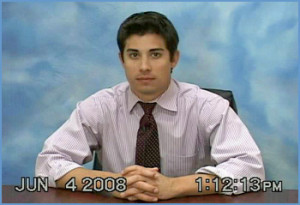
1. Clothing: Your witness should be advised to wear comfortable but professional clothing. Avoid clothing that has a bold pattern, such as stripes. Ask your witness not to wear loud ties or large jewelry. Black or white clothing can make it difficult to get the right camera exposure. Suggest to your witness that they wear light and pastel colors with no patterns. These colors will make it easier for the videographer to capture a good color balance. If your witness is wearing a jacket, ask him or her to keep the jacket on during the entire deposition.

2. Posture: A witness should look comfortable and natural. Ask your witness to sit up in the chair comfortably with both feet on the floor and lightly rest both hands on the table. You may want to ask your witness to avoid leaning back in a chair or crossing arms.

3. Facial Expressions: The main focus of the video will be on your witness’ face. Facial expressions, such as eye rolling or grimaces while a question is being asked, can be distracting to the viewer. Suggest to your client that he or she should maintain a pleasant neutral expression while listening to questions and answering.

4. Fidgeting: Your witness may be nervous and may unconsciously fidget. Instruct your witness that, even though a written transcript will not reflect fidgeting, it will be noticeable to viewers of the video.

5. Long Pauses: Ask your witness to avoid long pauses between a question and an answer. Long pauses may be interpreted by the viewer as evasive or signify that your witness is hiding something.

6. Visual Focus: Instruct your witness to look at the questioning attorney at all times. Looking straight into the camera is not desirable. Nor should your witness look up at the ceiling or down at the table while answering questions. If asked to read a document, instruct your witness to look down while reading, then look up at the attorney who is asking questions while answering. This will allow the viewer to clearly see and hear the witness while they answer.

7. Cell Phones: Before the deposition begins, ask all attendees to turn off their cell phones or wireless communication devices. Ringing cell phones can be distracting, especially if it is the witness’ own cell phone that is ringing and needs to be silenced. Even the “silent” setting can cause interference with the audio of the deposition.

8. Backgrounds: Place your witness in front of a blank wall or neutral backdrop. Do not place the witness in front of a window or large piece of wall art. Do not place the witness in front of an area where foot traffic will be occurring. Distractions such as these will detract from your witness’ professional appearance.

9. Lighting: If the lighting in the room causes excessive shadows on your witness’ face, move the witness to a better-lit area. You don’t need to bring in professional lighting, but pay attention that the lighting that is available is not a distraction to viewers of the video.

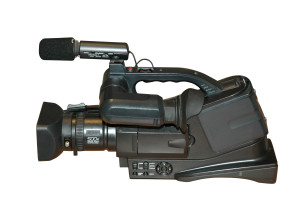
10. Certified Legal Video Specialist: When scheduling the video deposition, request a Certified Legal Video Specialist. Specialists are trained in how to properly record a video deposition. Professional camera and microphone equipment will eliminate unwanted distractions from poor quality video or audio.

Video depositions can be very beneficial to you when presenting evidence to a jury. With these simple tips, you will be able to prepare your witness and avoid unnecessary distractions that can diminish the usefulness of your video deposition.

To learn about other legal technologies, download our special guide “5 Technologies Every Attorney Must Have”.
Filed Under: Court Reporting, Legal Professionals

September 8, 2012 By Dawn Houghton

Legal Video Depositions: 7 Reasons to Use Video in Depositions

video depositionsIf you have not yet used video in your legal depositions, it’s time to consider the many benefits that you can derive from this technology.

There is no doubt that we live in a video world. Video cameras are embedded everywhere from the battlefield to the football field. The legal field is no exception. Video depositions can be one of the technology tools in any attorney’s toolbox. There are several advantages to using video in depositions. Considering each one of the following benefits will allow you to ensure you are taking full advantage of all the ways video depositions can be a benefit to you and your client.

1. Demonstrate a witness’ body language

Quite simply, legal video depositions assist attorneys in presenting a more compelling case. If you have a deposition transcript read into the record at trial, you are failing to show the jury the witness’ spontaneous reactions, emotional state and body language. You are losing the pregnant pauses, nervous fidgeting and angry glares. You are losing the opportunity to show the witness’ full demeanor when testifying. This may become important to a jury or in preparing your team for trial.

2. Hold the jury’s attention

Video depositions are much more likely to hold the jury’s attention. As you are presenting evidence, the last thing you want to see is a juror who has clearly lost interest and is not focused. In this age of television and YouTube, we are all conditioned to pay attention to a video screen for long stretches of time. Jurors will pay attention much longer to a deposition video than they will listen to a transcript being read into the record.

3. Bring a witness to trial who cannot attend in person

A video deposition can be used in the instance where a key witness will not be able to attend the trial. This situation could be due to the distance the witness may have to travel. It can also be due to physical or medial reasons that prevent the witness from attending. Video equipment can be brought to the witness who is unable to attend. In the case of an ill witness, video depositions can be set up in a hospital or nursing home if necessary. Using video in this way allows all parties to fully participate in a deposition without needing to be in the same physical location.

4. Save costly expert witness fees and travel expenses

Often a doctor or other highly qualified and respected witness may be used to offer an expert opinion. The cost of using their services can be rather high, especially if the witness has to travel and remain at the trial for several days. Having their testimony on video will give you the ability to use their words any time during the proceedings and to be repeated, if necessary, during your closing arguments. The cost savings in this situation can be enormous.

5. View of physical evidence

Video allows a judge and jury to view a witness handling an object of evidence. If you use a transcript of a deposition and read it into the record at trial, the members of the jury, as well as the judge, will not be able to view the witness handling the object in the same manner and from the same angle. If the deponent’s handling of the object is critical, then capturing the activity on video is one way to ensure that everyone sees the same behaviors.

6. Preparing for trial

Outside of the courtroom, video depositions can also be a valuable tool for reference when considering whether to use particular witnesses at trial and when preparing for the direct or cross-examination of those witnesses. By using video at depositions, you will be able to review the video and make assessments during your preparation when you are planning and fine-tuning your trial presentation.

7. Impeaching a witness

Video deposition testimony may be used to impeach a witness if they change their testimony at trial. This is a common use of deposition video in court. Seeing the witness make an obviously different statement on the video than what they said in court has a much greater impact than simply reading written transcript testimony.

Using video strategically in your depositions can increase your effectiveness at trial and give you and your client a better result. If you decide to use video, contact your court reporter to help you set up the details. Ask what they will require in order to conduct a video deposition. With a little planning, you can strategically use video in your depositions and get the maximum benefit from this technology.

For more information on legal technologies, download this free report:  “5 Technologies Every Attorney Must Have.”

Filed Under: Court Reporting, Legal Professionals

Copyright © 2025 · O'Brien & Bails | Michigan Court Reporters
251 N. Rose Street, Suite 200
Kalamazoo, MI 49007-3943
(Get Directions)
269.345.8436 · 800.878.8750 · Email Us
Image Credit